
Insights · Growth Marketing
What digital marketing strategy nonprofits should implement to successfully achieve a clear brand and strong digital presence.
By Nathan Misirian · November 2, 2026
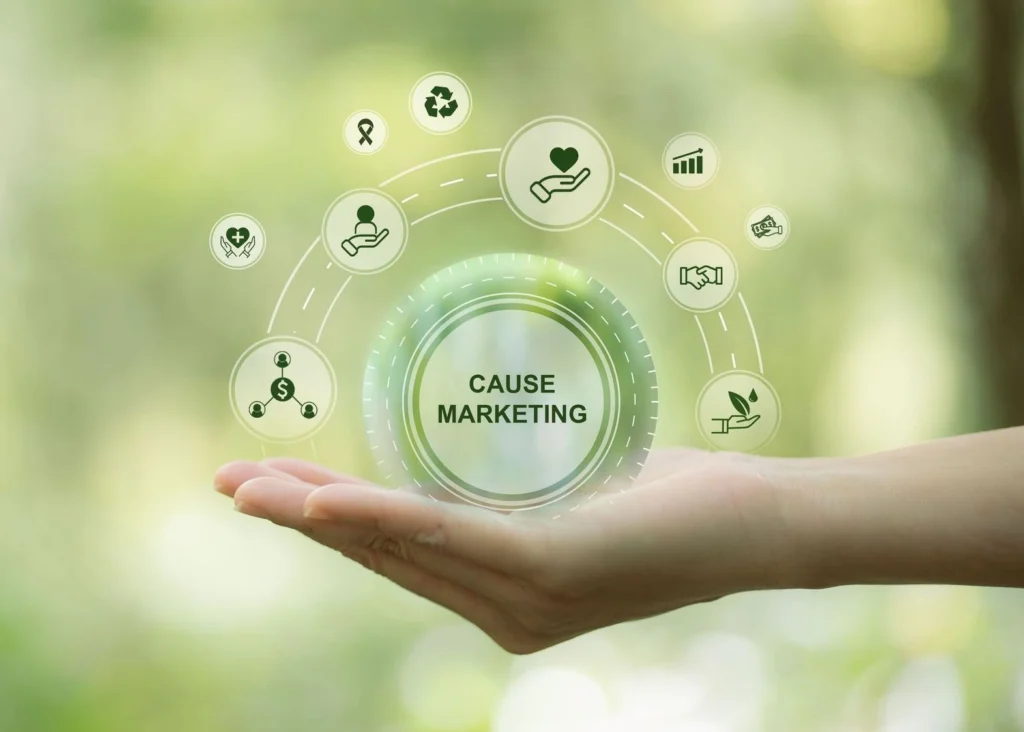
A strong digital strategy connects your organization’s brand, website, content, and marketing channels around shared goals. When these elements work together, audiences can more easily discover your mission, understand your impact, and find meaningful ways to support your work.
01
Audience research to understand the needs, questions, and motivations of the people you serve.
02
Brand messaging that communicates your mission and distinguishes your organization.
03
A website and content strategy that makes information easy to find and understand.
04
Digital marketing channels that help you reach audiences where they are.
05
Calls to action that guide visitors toward relevant next steps.
06
Measurement and reporting to understand what works and where improvements are needed.
These elements should work together rather than operate as separate marketing activities. The right approach depends on your nonprofit’s mission, audiences, resources, and goals.
Helps maintain relationships with donors, volunteers, supporters, and other audiences through relevant updates and calls to action.
Helps donors understand your impact and complete contributions through a clear donation experience.
Provides useful articles, guides, stories, and resources that answer audience questions and communicate your organization’s expertise.
Can help reach specific audiences or promote important campaigns when the investment supports a defined goal.
Supports awareness, community engagement, program visibility, and the distribution of useful content.
Helps people discover your website when searching for relevant services, resources, or information about your mission.
For example, an Autumn Consulting nonprofit client reported that an integrated chat feature drove 37% of website leads. This is why it can be useful to measure whether immediate support options help visitors take action. Verify the reporting period, definition of a lead, and attribution method before publishing the statistic.
Of single-sourced website leads
For SEO and broader digital marketing, track search impressions, clicks, click-through rates, and channel performance alongside the outcomes most relevant to your mission. These measures help you understand not only whether people are finding your content, but also whether your digital presence is helping them take meaningful next steps.
A digital marketing strategy for nonprofits is a plan for using websites, search engines, email, social media, content, and other digital channels to reach audiences and advance an organization’s mission. It establishes priorities, identifies target audiences, defines meaningful actions, and measures results.
Start by defining your organizational goals and primary audiences. Review your current website and marketing channels, identify gaps in your audience journeys, choose the channels that best fit your resources, and establish measurable objectives. Review performance regularly and refine your approach based on the results.
The best channels depend on your goals and audiences. SEO and content marketing can support long-term discovery, email can nurture relationships, social media can build awareness and engagement, and online fundraising tools can simplify donations. Prioritize the channels that help your organization reach the right people and achieve meaningful outcomes.
Create helpful content that answers audience questions, use descriptive page titles and headings, improve internal linking, make important program information easy to find, and ensure your website is accessible and mobile-friendly. Monitor search performance to identify which pages and queries offer the greatest opportunities for improvement.
Measure results that connect to your mission, such as completed donations, service requests, volunteer applications, partner inquiries, or engagement with educational resources. Use website analytics, search performance data, and audience feedback to identify what is working and where improvements are needed.
Consistent branding helps audiences recognize your organization, understand its mission, and see how individual programs relate to the larger purpose. It also helps staff maintain coherent messaging across websites, campaigns, social media, and other digital channels.
We use cookies to improve your experience on our site. By using our site, you consent to cookies.
Manage your cookie preferences below:
Essential cookies enable basic functions and are necessary for the proper function of the website.
CleanTalk offers effective spam protection and website security solutions to enhance user experience.
Service URL: cleantalk.org (opens in a new window)
CloudFlare provides web performance and security solutions, enhancing site speed and protecting against threats.
Service URL: developers.cloudflare.com (opens in a new window)
Statistics cookies collect information anonymously. This information helps us understand how visitors use our website.
Google Analytics is a powerful tool that tracks and analyzes website traffic for informed marketing decisions.
Service URL: policies.google.com (opens in a new window)
Google reCAPTCHA helps protect websites from spam and abuse by verifying user interactions through challenges.
Vimeo is a video hosting platform for high-quality content, ideal for creators and businesses to showcase their work.
Service URL: vimeo.com (opens in a new window)
You can find more information in our Cookie Policy and .